

 Flickr
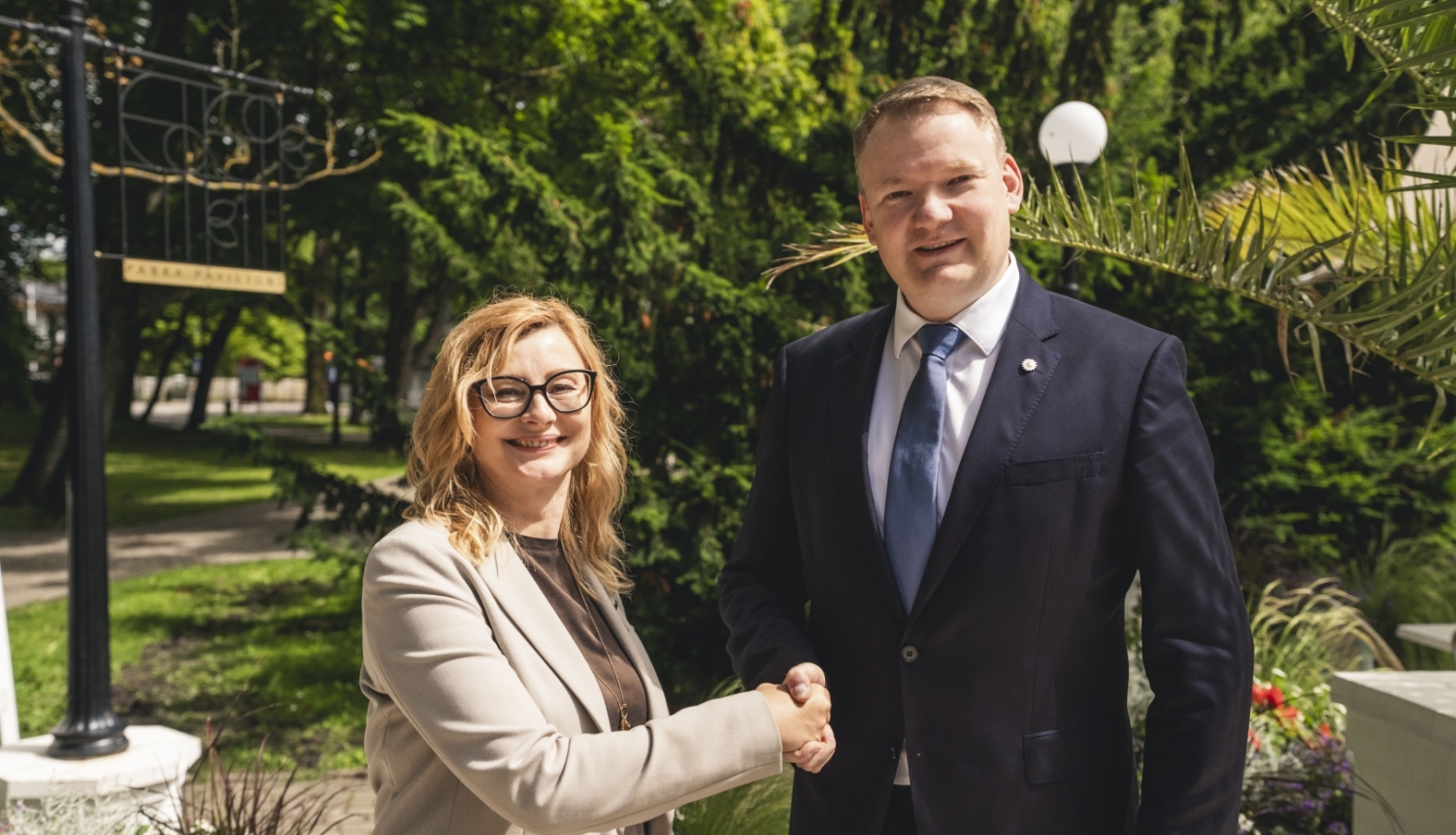
The Latvian and Lithuanian Ministers of Justice, Edvards Smiltēns and Rita Tamašunienė, are meeting today, 24 July, in Liepāja to strengthen cooperation among the Baltic states on the resilience of their judicial systems. During the visit, the Latvian side shared its business continuity plan for court operations and also introduced the Lithuanian delegation with Liepāja Prison and Latvia’s achievements in the field of prisoner rehabilitation, including a modern approach to the enforcement of sentences.
“Russia’s war of aggression against Ukraine and hybrid threats at the European Union’s external border have necessitated a particular focus on the readiness of state institutions to ensure continuity of operations in potential crisis situations. Latvia has developed a comprehensive system for ensuring the continuity of judicial functioning. The interest shown by our Lithuanian colleagues in our experience confirms that it is important for the Baltic states to learn from one another in order to jointly strengthen our resilience,” emphasised Minister for Justice Edvards Smiltēns.
During a working session at the Kurzeme Regional Court, the ministers discussed ensuring the continuity of court operations in crisis situations. Latvia presented the business continuity plan for court operations prepared this year by the Court Administration, which provides for the functioning of the judicial system even during cyber-attacks, military threats, natural disasters and other emergency situations.
The plan sets out a clear division of responsibilities between the Court Administration and the courts, provides for a coordinated response to crisis situations, and ensures that the courts are able to continue to fulfil their core functions even under complicated circumstances. The ministers agreed to continue cooperation among the Baltic states and to promote the exchange of experience in strengthening the resilience of judicial systems.
The Lithuanian Minister for Justice welcomed the opportunity to learn about Latvia’s experience and the information provided during the meeting. "In order to effectively prepare the justice system for resilience in times of crisis and to ensure its functioning under martial law, Lithuania has initiated a review of its national legal framework aimed at guaranteeing the uninterrupted operation of pre-trial investigation authorities, prosecutors' offices, and courts during martial law. To this end, an inter-institutional working group has been established to examine issues such as the temporary relocation of courts, jurisdiction, the prioritisation of cases, and other key matters. At the same time, Lithuania's cooperation with Ukraine is important for drawing on Ukraine's practical experience in organising the work of justice institutions under wartime conditions," said Minister of Justice Rita Tamašunienė.
The ministers also discussed the protection of children’s rights in the digital environment, emphasising that age restrictions on access to social media alone are not sufficient to ensure children’s safety effectively. The discussions highlighted the need to strengthen the accountability of digital platforms, promote digital literacy and foster closer cooperation between state institutions in the protection of children.
At the end of the visit, the Lithuanian delegation visited the new Liepāja Prison, which is the largest and most modern prison in Latvia and the first prison complex to be built in Latvia since the restoration of independence. The Lithuanian delegation gained overview on Latvia’s approach to the system for the motivation and resocialisation of prisoners, which is based on individual risk and needs assessments, education, employment, psychological support and gradual preparation for reintegration into society. The new prison infrastructure enables these measures to be implemented more effectively, whilst strengthening public safety and reducing the risk of reoffending.
